

A year ago, I went to bed with that familiar feeling—the one that every pregnant woman knows in the final weeks of carrying her baby.
Watching the rain come in and the trees bow down, I sat in that liminal space, that space where you sense a wildly approaching joy or a devastating sorrow. On that trepid night, I thought about how, that very next day, we would either be cheering that all was well or crying about how it wasn’t.
What I didn’t know is that we’d be doing both.
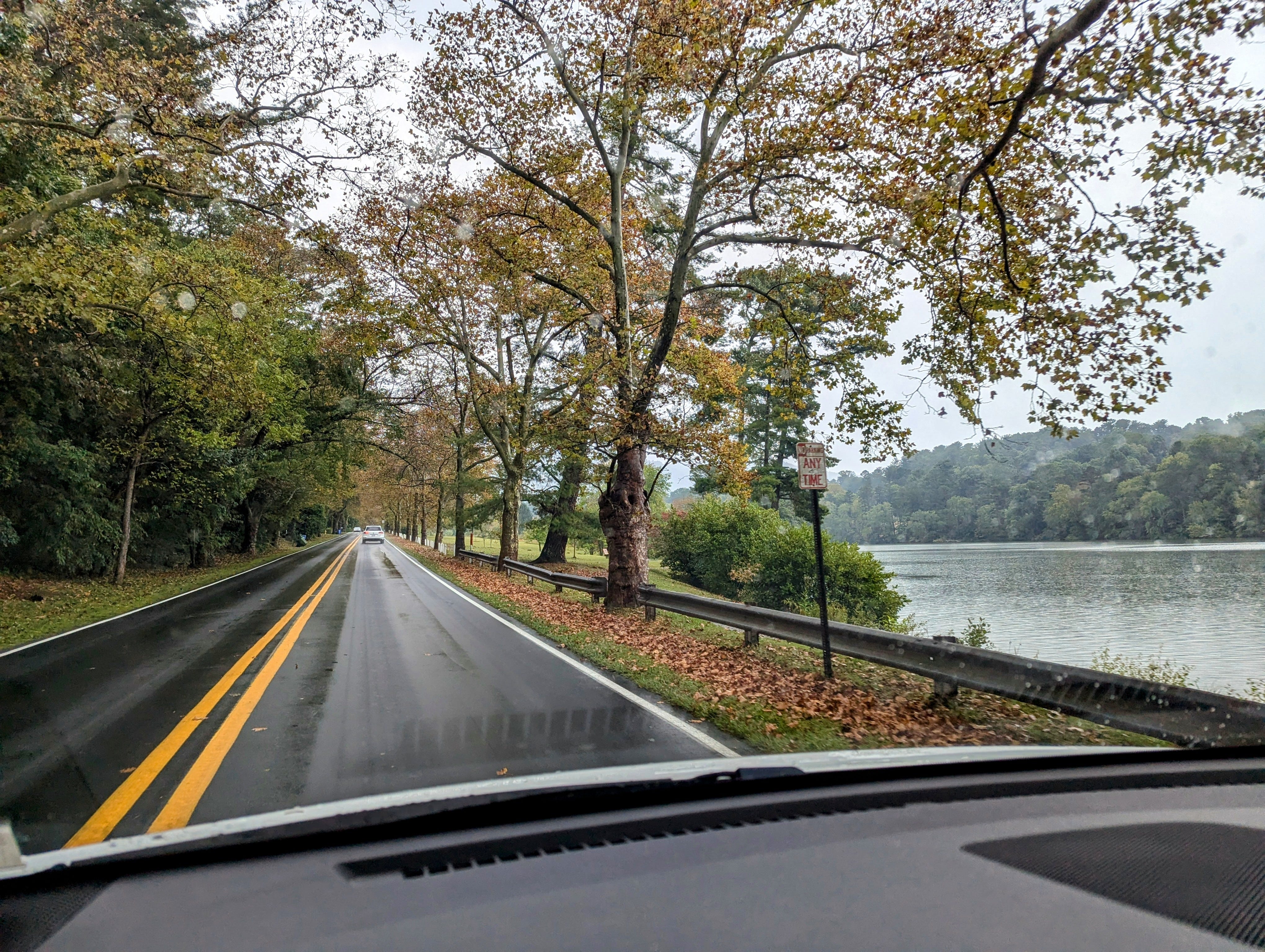
More than five years ago, I was induced at 40 weeks with my first daughter, due to cholestasis, in NYC. But, with my second, I went into labor, naturally, at home, here in Asheville, twenty months after the birth of my first. The night before her birthday, we had a heavy snowfall with 6-8 inches of fresh powder on the ground. It mostly melted the next day but that quickly turned to ice. Being the nervous Nancy that I am, I asked my husband to move the van from our driveway—which was off of a steep slope—to the front of the house where the street was flat. I had this nagging feeling that he or she would be announcing their exit that night, and I was right.
Around 1:00 a.m., contractions started, becoming more and more regular with the passing of time. I entered that liminal space and, quite frankly, started to freak out as a result. The phrase, “Let go, and let God,” comes to mind when I think back to that time. I thought: “Oh my God, I can’t believe they’re almost here!” And, I also thought: “Oh my God, I hope I don’t die! I hope they don’t either!” It’s a scary spot to stand in, to stare down an unknown path, with a wobbly faith.
So, that night before Helene beat the livin’ daylights out of our mountains, I found myself stuck in that liminal and familiar space. What if a tree slices through our house—through our girls’ bedroom? What if it destroys our only mode of transportation—our van? What if we’ll all be fine?
I braced in bed, not sleeping a wink—recording every crack of a tree limb, every howl of a roaring wind.
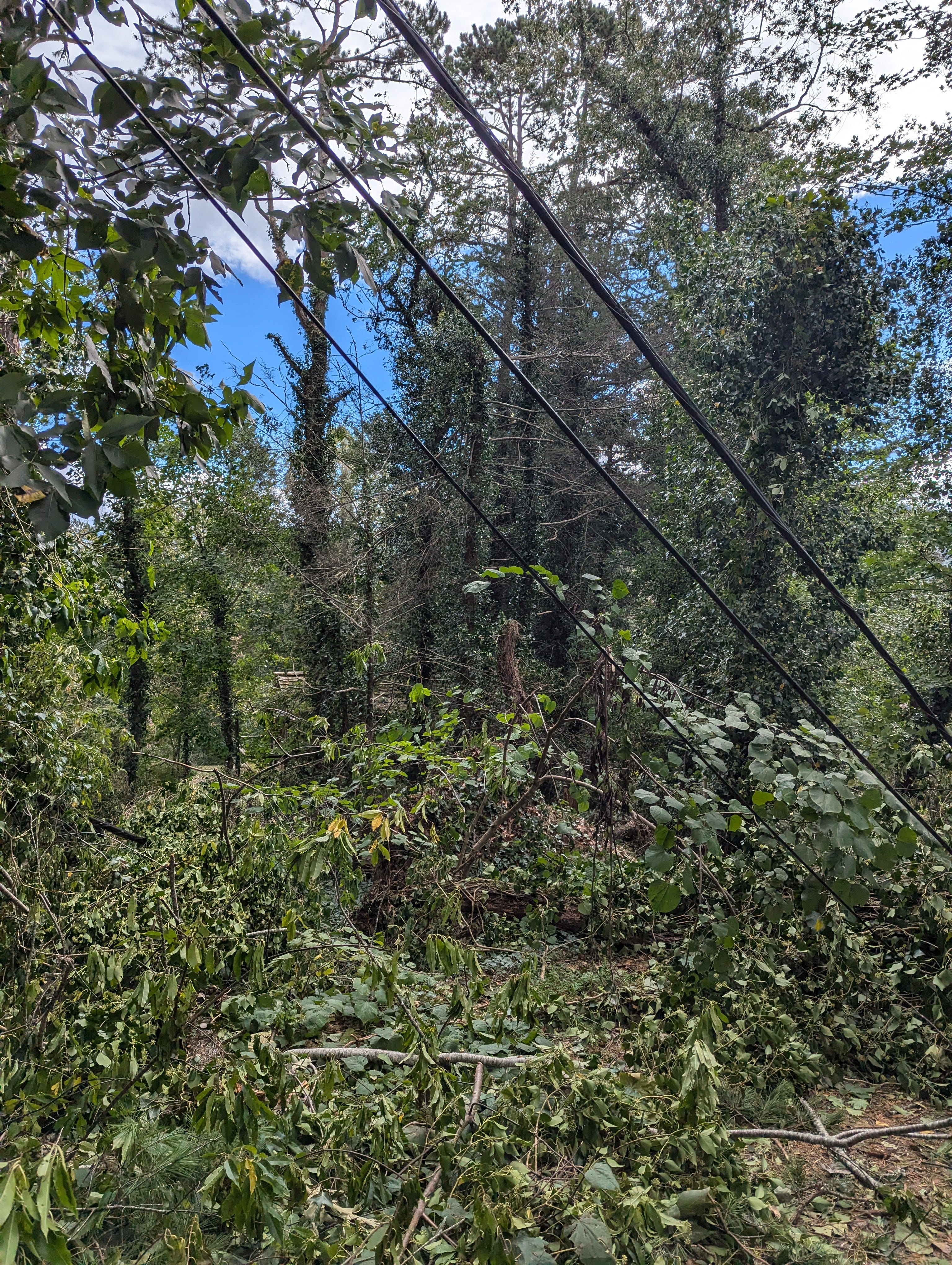
Helene didn’t unfurl her full force until around eight o’clock the next morning. From the bay window in our living room, we watched as she unleashed her fury. We called neighbors when we felt the pines above their houses and cars were swaying a little too much—close to the point of breakage. We texted our families, updating them on our safety and well-being every half hour or so. And then, it was over.
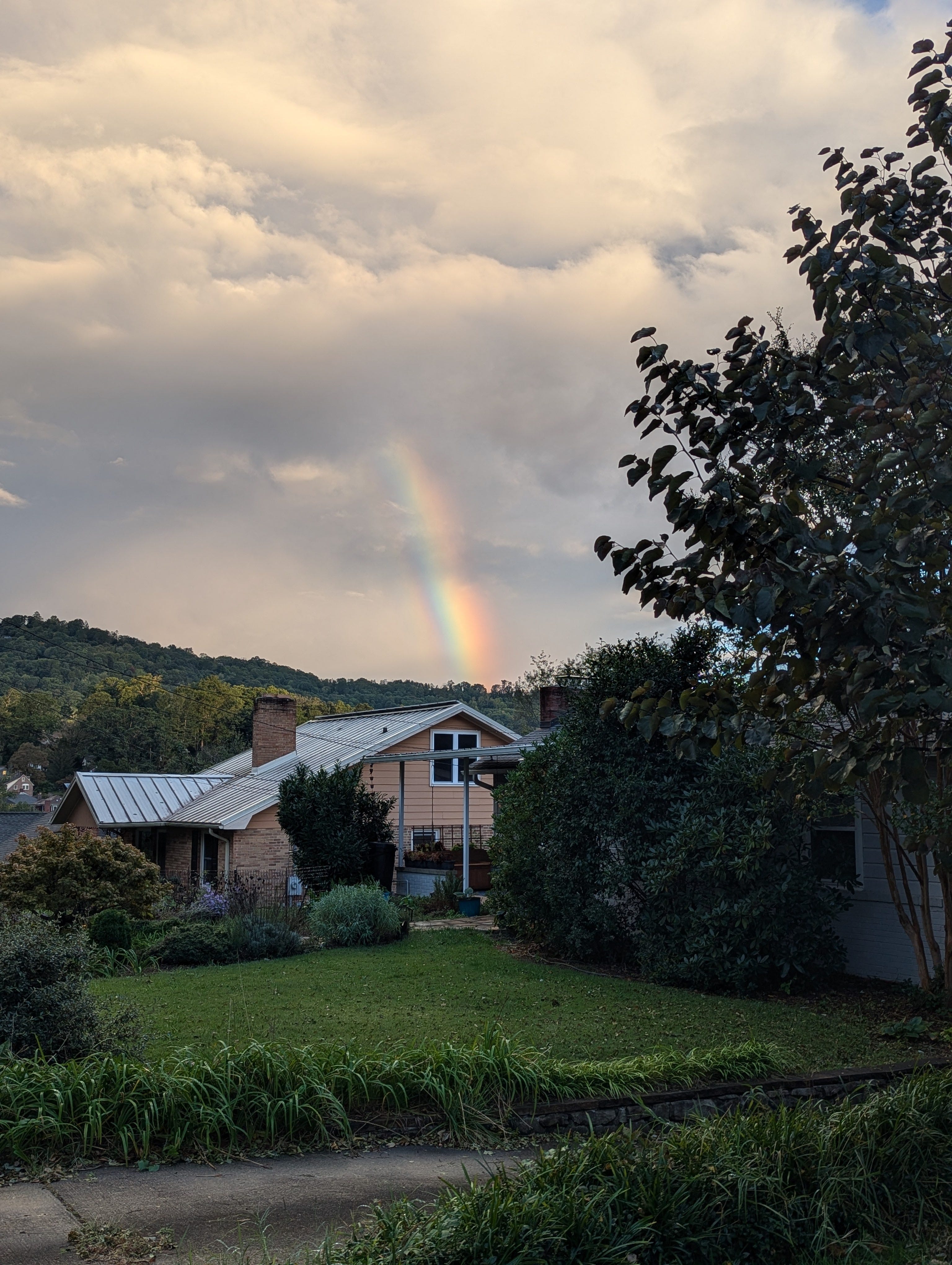
The clouds parted and ushered in blue skies and bright sunshine. It was as though nothing had happened—business as usual. Relief spread through our bodies and led us out and into the streets to meet our neighbors. Smiles abounded; cheers erupted: “We’re okay! We made it!” But slowly, information started to pour in; our neighbors up the hill were not so fortunate. Trees were down everywhere up there—on homes, cars, and roads. But, we reminded one another that all was well, even when it wasn’t.
By late afternoon, we’d cobbled together our first meal: a sprawling charcuterie board, filled with cured meats, soft and hard cheeses, fruits, veggies, nuts, jellies, jams, crackers, fresh bread, and more. With a Bluetooth speaker, we put on upbeat tunes, danced a little, and popped bottles of rose and champagne, gleefully cheers-ing one another while our kids ran around like wild banshees. “We did it! We made it!”
In those first 48 hours or so, the atmosphere was both celebratory and tense. No power meant no work for many—a nice, unexpected severing of the modern individual’s constant connection to the digital world. No water, however, meant work, so we got to it—gathering buckets, moving wagons, searching for nearby water sources. We began organizing: Who had a gas stove? A grill? Who had extra batteries, candles, or lighters? How could we use what we had in our refrigerators and freezers to feed the most mouths? How would we deliver hot meals?
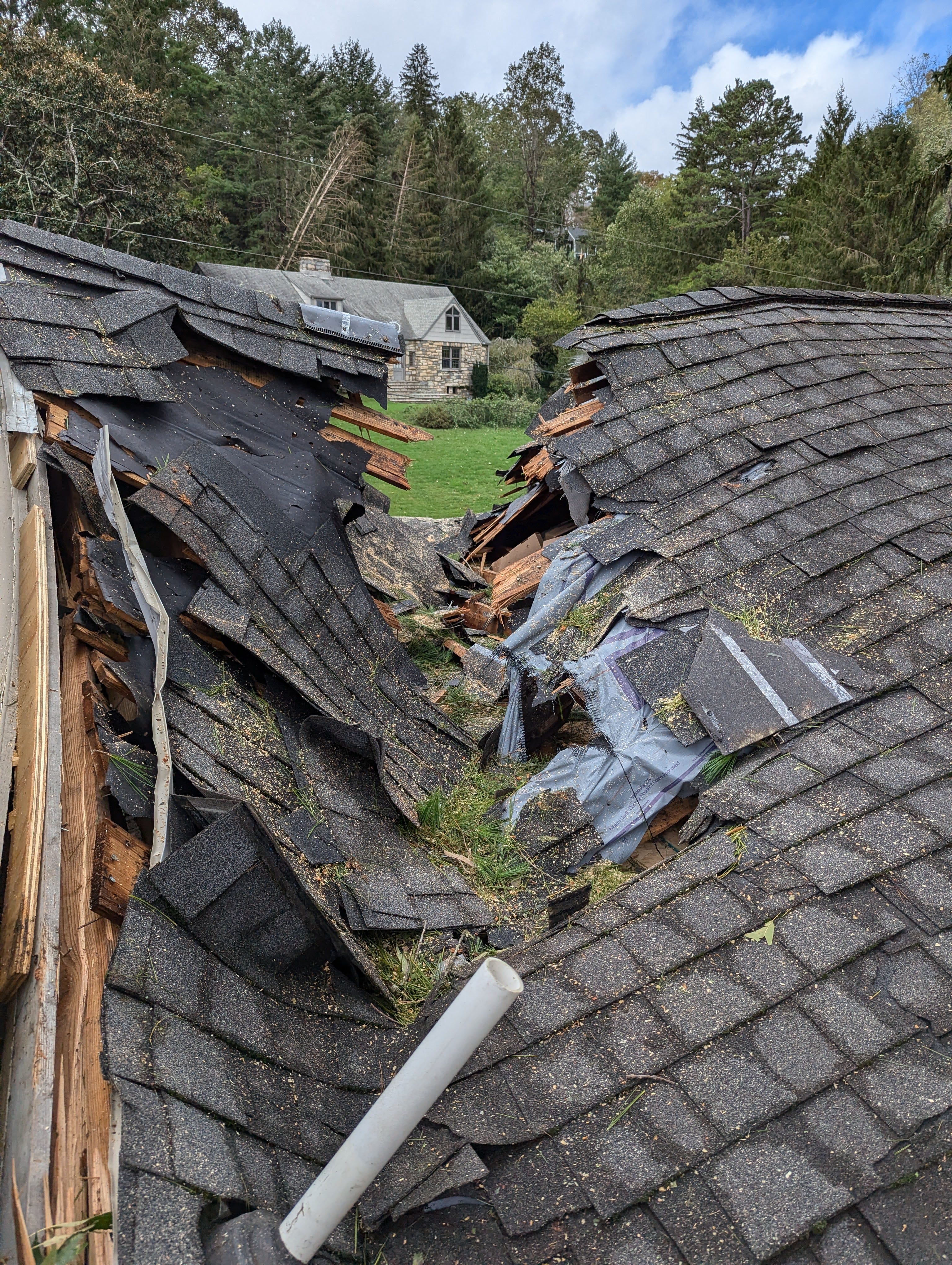
Then, like a grass-roots organization, we hit the ground running, going from door-to-door, calculating what was needed where and who had what to offer. This all occurred within a quarter-mile radius and was pretty remarkable. My husband spent most of the day helping neighbors siphon water out of their flooded basements. He worked with other men and women to fasten a tarp over a giant hole in a neighbor’s roof, put there by a hemlock. I was in and out of our home with the girls, going between neighbor’s houses, keeping our minds and our bodies busy.
In disaster, we were the relief.
We were the frontlines, the first responders, the helpers, caring for our little ones, checking in on the elderly, serving up one delicious meal after the next, popping bottles and pouring wine, rejoicing in our fortune—not fully knowing how unlucky the unlucky ones were beyond our bubbling bubble. With no Internet connection, we were blissfully ignorant, separately interconnected.
After this bonding experience, my neighbors and I became like family. I didn’t dither to ask someone to watch our girls for a bit while I finished completing a task. I didn’t hesitate to request an extra water bottle or two before bed. I didn’t hold back when I expressed what many would deem a cringy level of gratitude. In my mind, I remember thinking: Isn’t this how things should be?
A seed was planted. Alongside our neighbors, we all began to audibly wonder: How can we carry this spirit forward? How can we better serve one another?
I’m happy to report that, a year later, we have carried that spirit forward—we have better served one another—through small acts of kindness and connection.
This summer, it was my children’s lemonade stand. It was spontaneous sprinkler parties with the neighborhood kids. It was grilling and chilling with whoever was around. It was delivering “Get Well” cards and “Welcome to the Neighborhood” drawings. It was saying, “I’ve missed you,” and “I’m glad to hear that you’ve had a good summer.” It was sitting with someone in their grief. It was sitting with someone in their joy.
Since Helene, I’ve been dreaming up this side project.
Specifically, I’ve been dreaming up Creature Report, a new series from Human/Mother. Last September, I pitched several stories about our neighborhood to major news outlets, but many were uninterested—moving on to the next day’s topic. I quickly learned that the news cycle is a heady beast! All the while, I’ve been unable to let go of my desperate need to seek out what I believe so many of us desire: to convert static emotion into variable action—to distribute love, not hate. And, I’ve found that by moving my body, by physically manipulating my surroundings, has led to great emotional and spiritual fulfillment. The secret is in the sauce, and the sauce is within and between us human beings and our planet.
We matter. Our daily lives matter. There’s no need for grandiosity or requirement for pomp and circumstance. There is beauty and purpose in the simple—in the mundane. Small talk can be transformative. Preparing a homemade meal for ourselves and for others can be healing. Gathering can be transcendental. To look one another in the eyes and laugh, cry, and embrace can be monumental. Even as I type this now, I recall all of those holy acts, all of those seemingly small human gestures immediately after Helene, and I weep with conviction, grace, and gratitude.
I’m reminded of Isabel Cowles Murphy’s words from her recent interview with Jane Ratcliffe. Jane Ratcliffe asks, “What’s a guiding force in your life?” To which, Isabel Cowles Murphy replies: “My father used to say that Jesus could be anywhere or anyone. I pictured a man in robes popping out from the bathroom stall at school. But now I realize Pappy was telling me that the deepest dignity and divinity are in everyone, all the time: we’re all as holy as the holiest folks who ever lived. And I agree. I really love people. I try to keep the armor off so I can feel it.”
Same, Isabel. Same.
So, without further ado: this is the official announcement of Human/Mother’s newest series, Creature Report! It’s a short-essay series that highlights neighborhood happenings and insights. Pieces are written to inspire human connection and acknowledge beauty. Think impromptu playdates, intergenerational potlucks, homegrown turkey trots at Thanksgiving, real-life turkey trot footage, gardening tips from oldsters, black bear sightings, neighborhood art making, and recipe sharing for meals that provide sustenance for mourners, new parents, or the unwell.
Have your own Creature Report to share? Send it in! E-mail katrinadonhamwrites@gmail.com, and I’ll consider its inclusion in the series.
In a culture that tells us that we are doomed, that we are divided, that we are dead, let’s do the only thing we can: let’s make the most of this life—together.
I can’t wait to hear from y’all!
—Katrina
Related Reading:
I'm Not Here for the Glory

I’ve been keeping this on the down-low, but our neighborhood has been graced by a high-profile celebrity numerous times since Helene ravaged our mountains.

How to Eradicate the Loneliness Epidemic

We moved from Sunnyside, Queens, New York City, into our neighborhood in Asheville, North Carolina, in March of 2021, a full year after our world was turned upside-down by COVID and by parenthood.
Thank y’all so much for being here! If you liked what you read, please tap that little heart below, leave a comment, re-stack this post, and/or consider buying me a coffee or upgrading your subscription. Your participation and support motivate me to keep doing this thing!
Keep that hot brown flowin’:
Make me smile by payin’ me $1/month for my work:
Or, spread the love:
And, if you’re not getting regular emails from me and want ‘em:
Glad you made it out the other side of that storm, Katrina, and that the community is strong.
I don’t know whether you came across Rebecca Goodall’s writing about rescuing children from the torrents during Helene? It made a real impression on me at the time and has stayed with me. This is the link.
https://open.substack.com/pub/beccigoodall/p/somebody-save-me?r=cmaaf&utm_medium=ios